The internet boasts more “best beer city” roundups than your average taproom does toddler birthday parties on a Saturday afternoon. But whether they’re compiled by beer magazines or come from travel or real estate blogs focusing simply on breweries per capita, these lists don’t always feel satisfying. They tend to feature the same spots as if they’re breaking news, or “under the radar” destinations that might be under the radar for a reason — sorry, but Harrisburg, Pennsylvania?
We decided to combine factors and create a real-deal, ultimate top 10. We considered breweries per capita and overall number of breweries within each city (these numbers tend to be estimates as businesses are opening, closing and adding or removing satellite taprooms all the time), and we then actually looked at what those breweries are — do these cities have diverse beer scenes? Well-known breweries that people tend to travel for? A good variety of beer styles on offer? Long-established institutions and exciting startups alike? What is the general beer culture like — are there good beer bars? Are there a few breweries within walking distance of each other? How about food-and-beer options and festivals? With research and thoughts from some industry insiders, we landed on five “old school” and five “new school” picks. Old school beer cities are the usual suspects, the lauded craft beer hotbeds you find on other lists, but checked in on to see if they hold up today. New school beer cities are the ones that have gotten less love, but deserve the spotlight in 2025.
Old School
Asheville
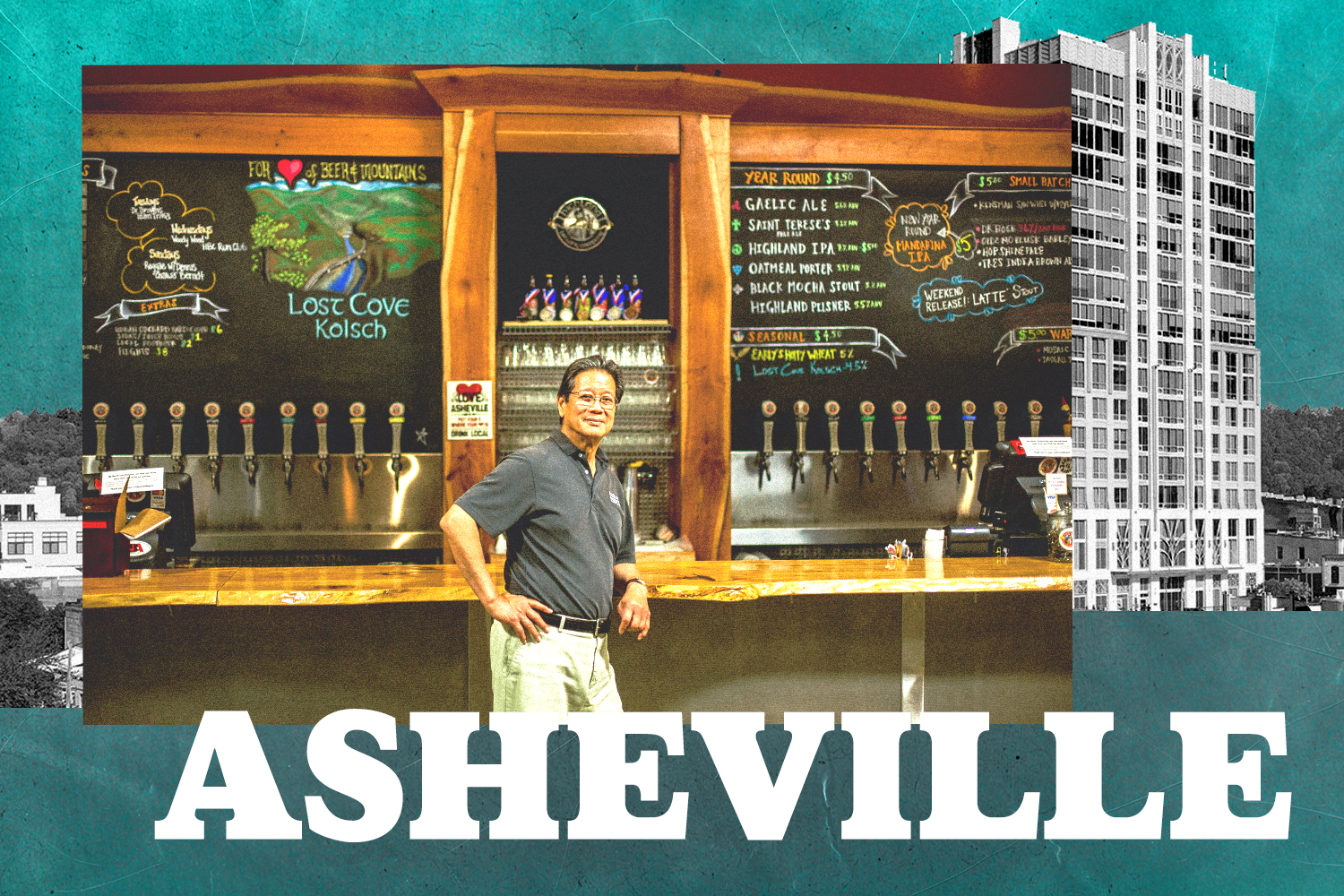
With about 28 breweries in the area — roughly 17 breweries per 50,000 residents — Asheville has been a well-known beer destination for years. Legendary breweries Sierra Nevada and New Belgium have set up second locations here, Wicked Weed attracts barrel-aged sour fans from far and wide, OG breweries Highland and Green Man have been fixtures since 1994 and 1997 respectively, and Burial Beer Co. serves up hazy IPAs, pastry stouts and killer vibes that have developed a reputation far past Asheville’s borders.
There’s natural beauty in view of every taproom, and there also seems to be a natural creativity pulsing through the food and drink industry in this city, fueling an intriguing craft beer scene. External communications manager for Sierra Nevada Ashlee Mooneyhan says that with one visit, one understands why the brewery chose Mills River in the Asheville area for its East Coast operation.
“Asheville is the sort of place where even the occasional beer drinker can fall in love with the artistry and creativity of craft beer,” she notes. “The region has a variety of craft brewers putting out some of the most thoughtfully produced and flavorful beer in the country. Combine that with the stunning backdrop of the ancient Appalachian mountains, the waterfalls, the culinary scene and the rich and eclectic history of the city, and you’ll wish you had booked your hotel for an extra week.”
Now is an especially important time to visit Asheville and embrace its beer scene. The area was devastated by Hurricane Helene in September 2024, and full recovery will take years. The city’s breweries were damaged at different levels but came together to help each as well as their entire community. Today, even while still rebuilding, the beer scene not only survives, it thrives: Check out Burial’s endeavors like the VISUALS rooftop bar where you can get their wine or coffee, too; their Eulogy music venue, or their Burnpile music festival. Catch drag shows at Catawba Brewing; find coconut porter, Mexican corn lager, English ESB and Belgian saison at One World Brewing, and hit one of the country’s coolest beer bars, The Whale.
Denver
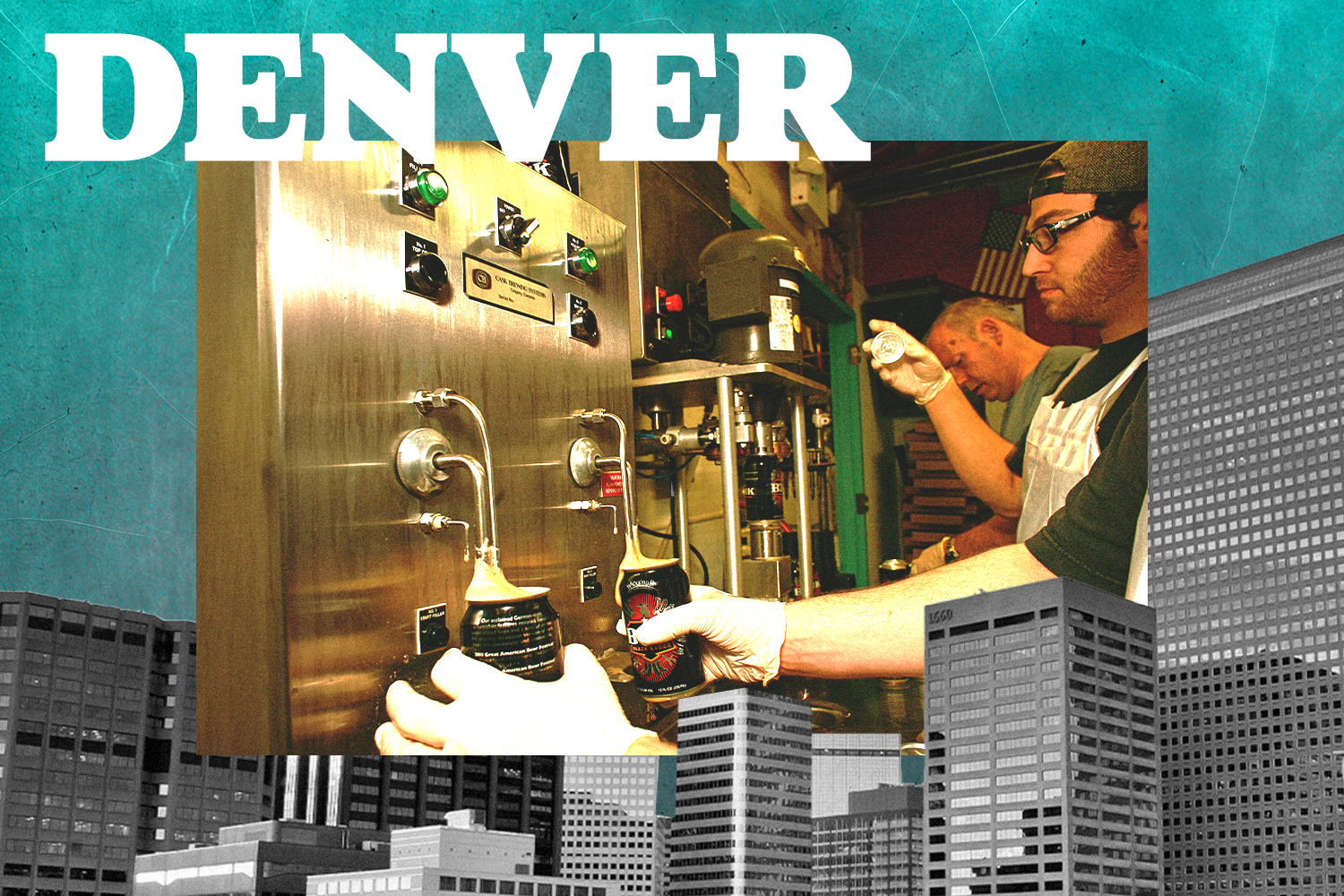
There’s something in the mile-high air in Denver, which broke out as a craft beer hotbed years before most other cities. Colorado’s capital has 70 breweries within its proper limits, or 3.74 breweries per 100,000 residents. The state has laws friendlier to independent brewing operations than other places, which combines with an appreciation for local, natural ingredients to create some wave-making beer. Every year, industry members and fans alike flock to Denver for beer’s biggest event, the Great American Beer Festival. They can hop from neighborhood to neighborhood and stroll to the classic Wynkoop Brewing Co., opened in 1988, or Odell Brewing Co., opened in 1989. They can sip cloud-capped side-pull pours at the influential Bierstadt Lagerhaus, complex IPAs at Cerebral Brewing, nuanced sours at Crooked Stave and horchata ale or mango fruit beer at Latin-owned Raices Brewing Co.
“Over the years Denver has become synonymous with high-quality, innovative craft beer,” says Carrie Knose Wilson, communications manager at the Colorado Brewers Guild. “Colorado breweries have consistently brought home numerous medals from national and international competitions, and many of these come from breweries in the Denver and metropolitan area, reinforcing its status as a central hub for craft beer lovers across the country. When Denver annually hosts the Great American Beer Festival each fall, it is the perfect time to put on your walking shoes and experience all that Denver breweries have to offer, from brewpubs to innovative taprooms with a wide variety of beer styles.”
Portland, Maine
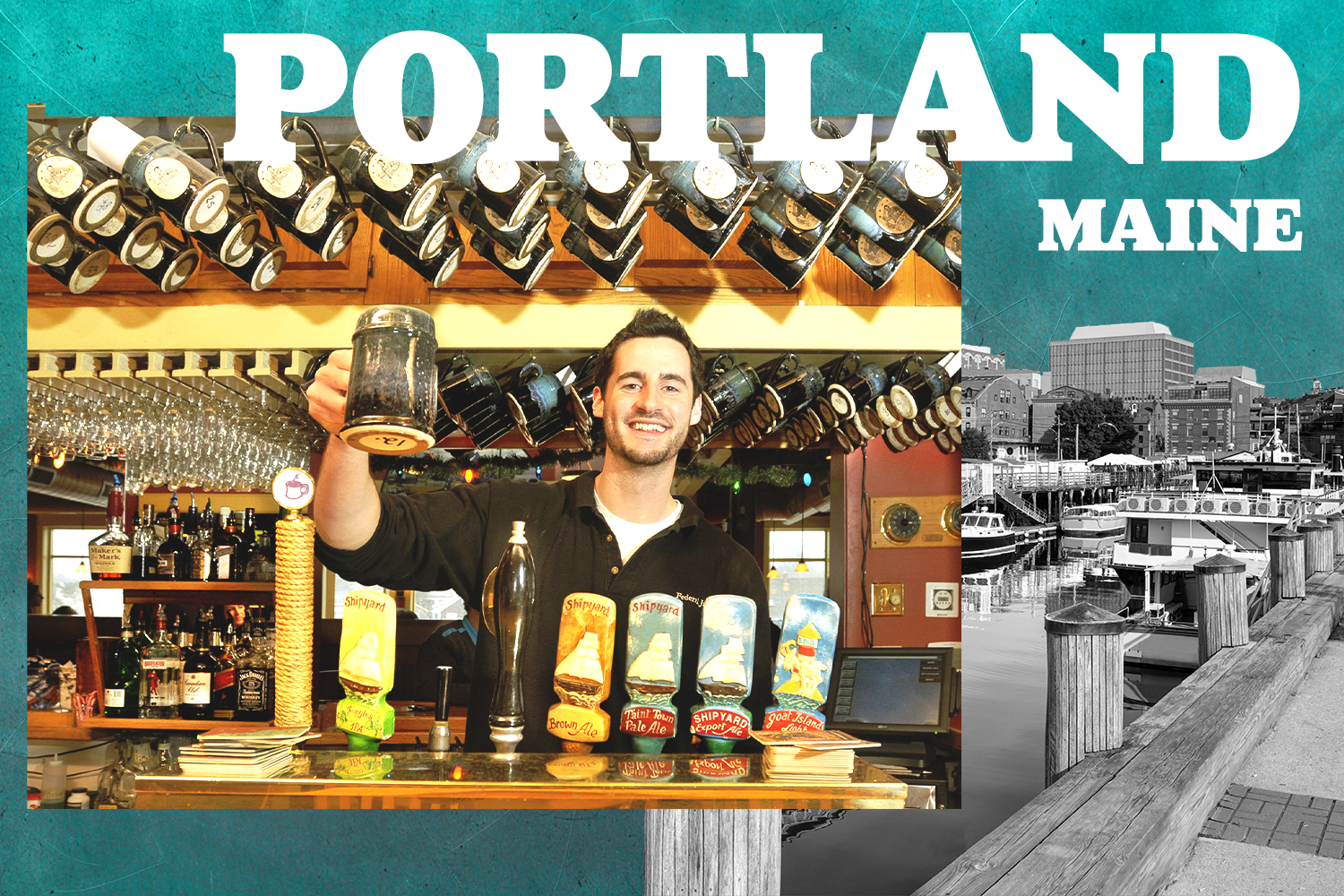
It’s far from a shock to see Portland, Maine on a “best beer cities” list, but it’s a Maine-stay for a reason. In a relatively compact area, you’ve got about 25 breweries, or 18 per 50,000 residents. There’s Allagash Brewing Company, one of the most important breweries in the entire industry — it helped introduce imbibers to Belgian-style beer, Allagash White remains an iconic favorite, and the brewery continues to innovate not only within farmhouse-style ales but with lagers and IPAs, too. There’s also Oxbow’s Blending & Bottling location with its Sap Haus smoked maple lager, Grizacca dry-hopped grisette, Harvest wet-hopped saison and a whole slew of mixed-fermentation ales. If it’s genre-defining hazies you seek, Bissell Brothers is ready and waiting.
“Portland’s beer scene is wonderfully special because it blends creativity, quality, community and access to amazingly high-caliber locally grown ingredients,” says Nick Bonadies, co-owner of another Portland gem, Belleflower Brewing. “We have a very tight-knit community of talented brewers here, and everyone is unique in their style and their approach to making beer, while simultaneously supporting one another like neighbors and friends. For us at Belleflower, being part of Portland, and Maine in general, means constant inspiration from the hospitality industry that surrounds us. We’re proud to call Portland home because it’s a place where beer is part of our community, wrapped into our culture and strong sense of hospitality that feels unique to Maine.”
Want more? How about “lager saloon” Argenta Brewing Company? Austin Street Brewery with pitch-perfect IPAs and lagers, Lone Pine Brewing Company with imperial stouts and fruited sours, or Shipyard with classic pale ales and pumpkin beer? Whatever you’re in the mood for, Portland’s got it, and the experience will likely involve cobblestone or pier strolls, lobster rolls or blueberry doughnuts and live music. The icing on the cake is one of the country’s most revered beer bars, Novare Res Bier Cafe, serving up special beers both renowned and under-the-radar from around the world since 2008.
Portland, Oregon
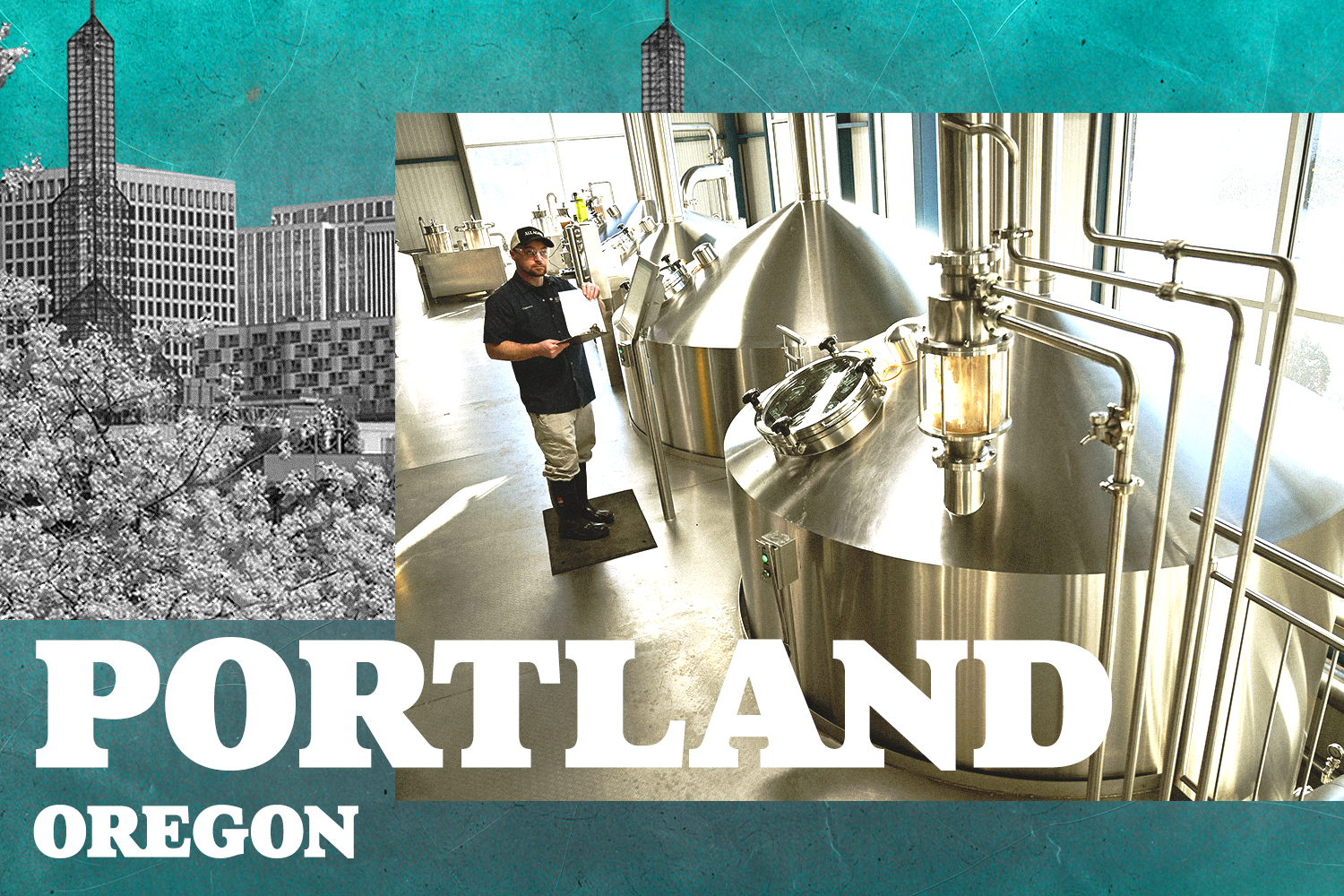
It also might go without saying that the Portland on the opposite coast is a beer destination — it’s known as “Beervana,” after all, and has over 60 breweries currently — but it’s worth noting that the city has retained its creative, quality, diverse beer reputation. It’s got history in spades thanks to early breweries like Widmer Brothers and McMenamins opening in the 1980s. And you can find traditional European lagers, hazies and true West Coast IPAs, stouts and porters, sours and more flowing from operators large and small, old and new, iconic and indie-cool — see: Ruse Brewing, Von Ebert Brewing, Great Notion Brewing, Upright Brewing, Wayfinder (original home of the Cold IPA), Breakside, Occidental Brewing Co., and many more. Beyond taprooms, all of this top-level beer flows at beer bars and restaurants alongside delicious food often made with locally sourced ingredients.
This Pacific Northwest Portland has a leg up on its Maine counterpart, and most other cities for that matter, because of its proximity to a large portion of the country’s hop supply. In August and September, Portland is the best place to celebrate fresh hop season: During the hop harvest, brewers can take hops right from the farm to their brewhouse and craft beers with brilliant aromas unique to the region and time. The city celebrates with not only ample opportunity to try wet-hopped beers at many taprooms and bars, but with several festivals.
San Diego
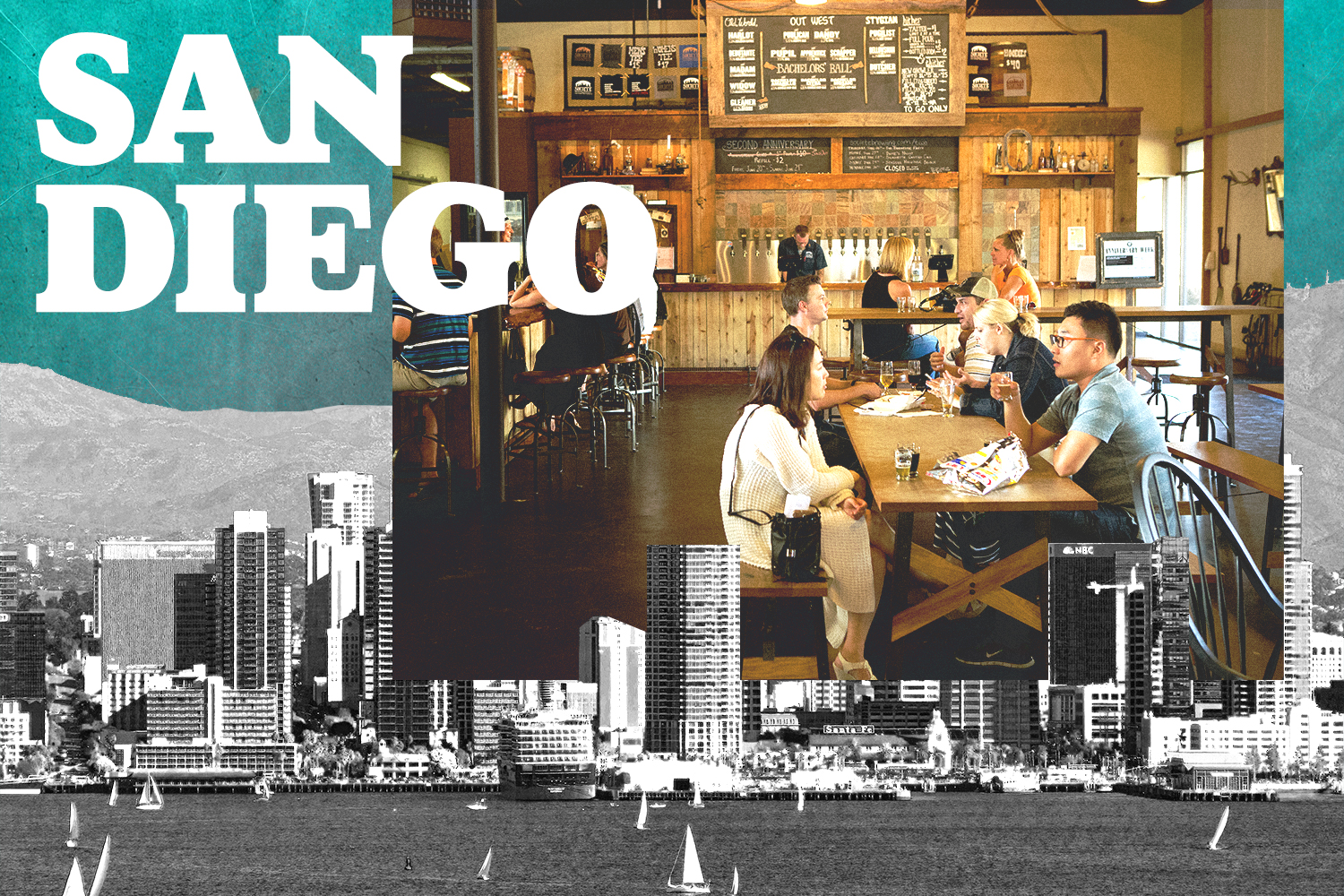
“It’s no surprise that San Diego has been a capital of craft beer for over a decade, and will continue to be so for the foreseeable future,” says Beth Demmon, a beer and cider journalist and author based in San Diego. “The sheer number of world-class breweries like AleSmith, Lost Abbey and Societe is incredible, not to mention some of the smaller guys like Pure Project, Burgeon and North Park Beer Company who keep pushing the boundaries of what craft beer can be. When you have a brewing scene that can churn out classic European styles like pilsners and witbiers as well as modern styles like West Coast IPAs and pastry stouts at the rate San Diego does, and manage to do them well — that’s something special.”
San Diego might be down from its peak of over 150 breweries, but it can still claim an above-average per-capita rate of 2.52 breweries per 100,000 residents, and its history secures its place on any “best beer cities” list forever. It was one of craft beer’s first hotbeds, with the founding of Karl Strauss Brewing Company in 1989 and the subsequent proliferation of breweries who charted new territories with different styles and trends. With Ballast Point and Stone, San Diego served as a launchpad for the West Coast IPA and all things dank, resiny, piney and citrus-pith-bitter. Today, breweries like North Park carry the torch, and the city also offers diversity and representation in craft beer with the likes of Latina-owned and women-run Mujeres Brew House and BIPOC-owned Chula Vista Brewery.
12 United States Breweries Worth Traveling For
From California to North Carolina, craft beer can be a highlight of these summer destinationsNew School
Austin
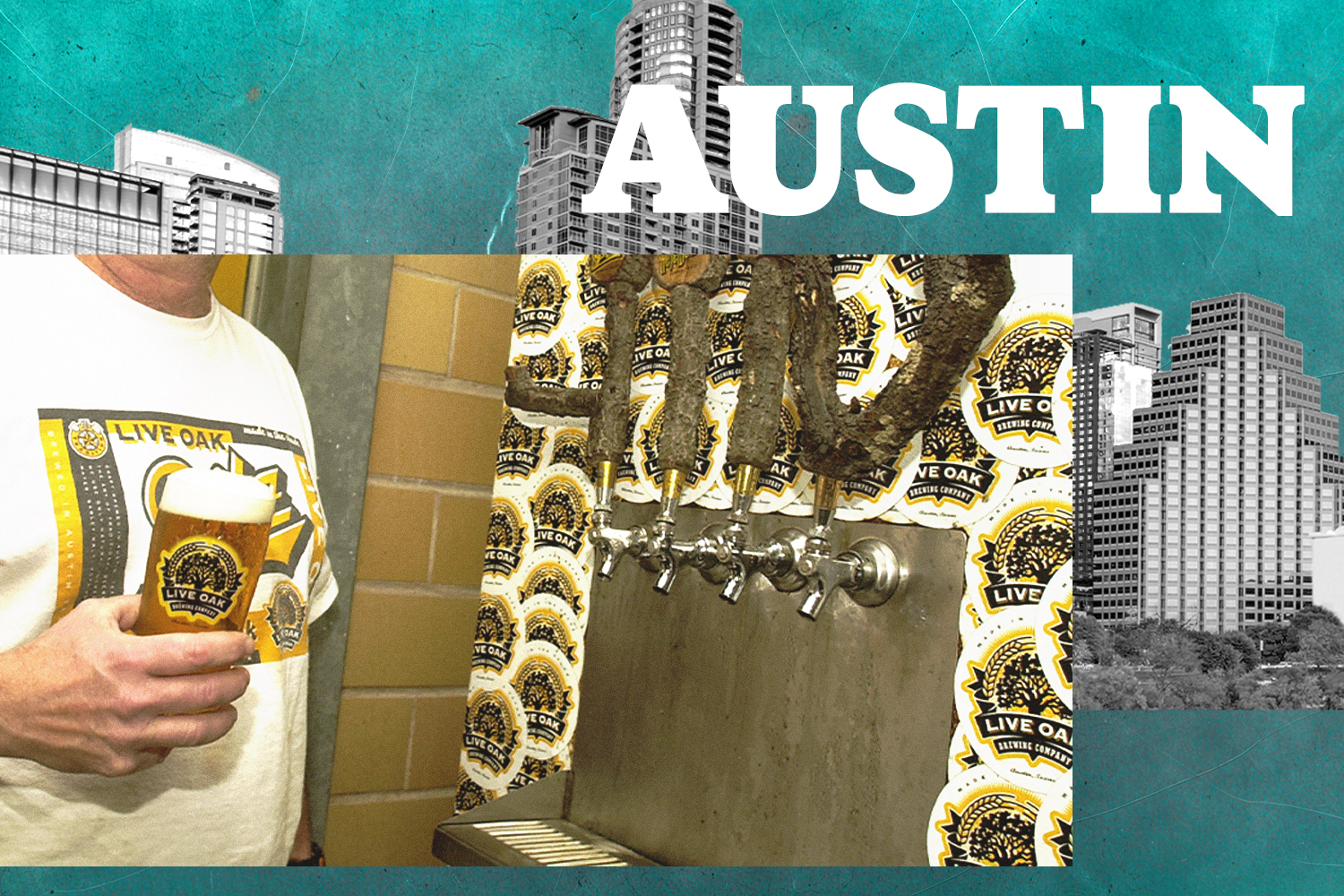
Austin is often absent from “best beer cities” lists, unacceptable considering the city has such incredible live music, barbecue and Tex-Mex eats to accompany your beer adventures. The city has about 37 breweries, or 1.57 per 100,000 residents. Celis Beer opened in 1992 and remains one of the most important breweries in American craft beer’s history, helping put Belgian witbier on the U.S. map. Jester King is one of the country’s best-known purveyors of complex spontaneous- and mixed-fermentation ales — not to mention their sprawling property where you can hike, eat excellent pizza, catch bands’ sets and hang out with goats. Since 1997, Live Oak Brewing has been a hot spot for European-style lagers, and it hosts a festival dedicated to smoked beers each year. St. Elmo Brewing is widely recognized for its Carl Kölsch and brews plenty of other noteworthy lagers and IPAs. Lazarus Brewing Co., Zilker Brewing Company, Independence Brewing Co., Austin Beer Works and Fast Friends Beer Co. are a whole handful more of destinations for outstanding beer and frequent events.
“You could move to Austin for the beer, but shh, don’t tell anyone,” says Ruvani de Silva, Michael Jackson Beer Writer of the Year. “As a beer writer, that’s exactly what I did, and our vibrant beer scene chock-full of exceptional brewing talent means there’s always more to try and enjoy…Add in outstanding local country music, gorgeous expansive views and warm Texas hospitality, and you really won’t want to leave. Of course, this is all top secret.”
Chicago
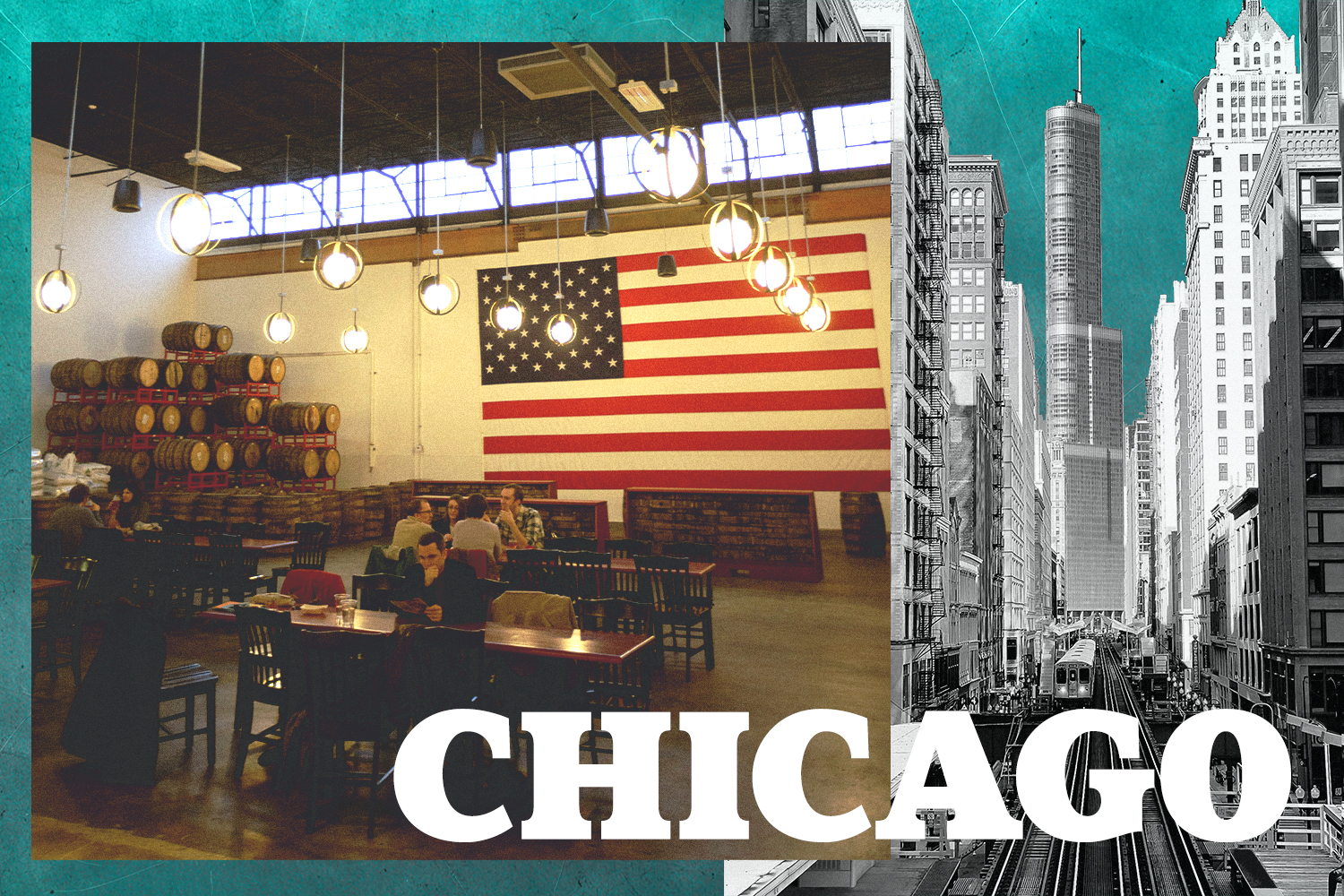
Chicago can claim one of the highest brewery counts of any city in the US with over 60, or 3.44 per 100,000 residents. And this is a real quantity-and-quality situation.
Even if it’s no longer “craft,” there’s the still-stellar Goose Island, around since 1988 and popularizing several beer styles, not to mention starting the bourbon barrel-aged craze with Bourbon County Stout. There’s fellow icon Half Acre with its Daisy Cutter pale ale, Bodem IPA and host of other tasty brews. There’s Off Color Brewing, with its elegant saisons and Berliner weisses, and another boldface name, Revolution Brewing, the largest independently owned brewery in Illinois. There’s Hopewell Brewing Co. with its simply perfect IPAs and lagers. There’s one of the country’s best haze producers, Hop Butcher for the World, and one of the strongest spots for traditional European lagers — and their service styles —Dovetail Brewery. There’s Middle Brow, famed for its low-ABV table beers, lagers and mixed-fermentation ales, as well as its pizza; Maplewood with its bold sours, IPAs and stouts; the award-winning, Black-owned Funkytown Brewery with its pale ales, amber ales and witbiers; Pilot Project, which acts as a brewery incubator so you can try some of the most exciting new beers in the country; and so many more.
Not enough for you? Chicago is home to not one but three nationally renowned beer bars: Hopleaf, Map Room and The Beer Temple. One of the industry’s premier events, the Festival of Wood- and Barrel-Aged Beer, happens in Chicago. The Windy City has the Beer Culture Center, which hosts events celebrating the history and human stories behind beer, and Bier Omakase, a new project from two Chicago beer industry veterans Jenny Pfäfflin and Shana Solarte including beer tastings themed around cultural moments and personal connections.
Minneapolis
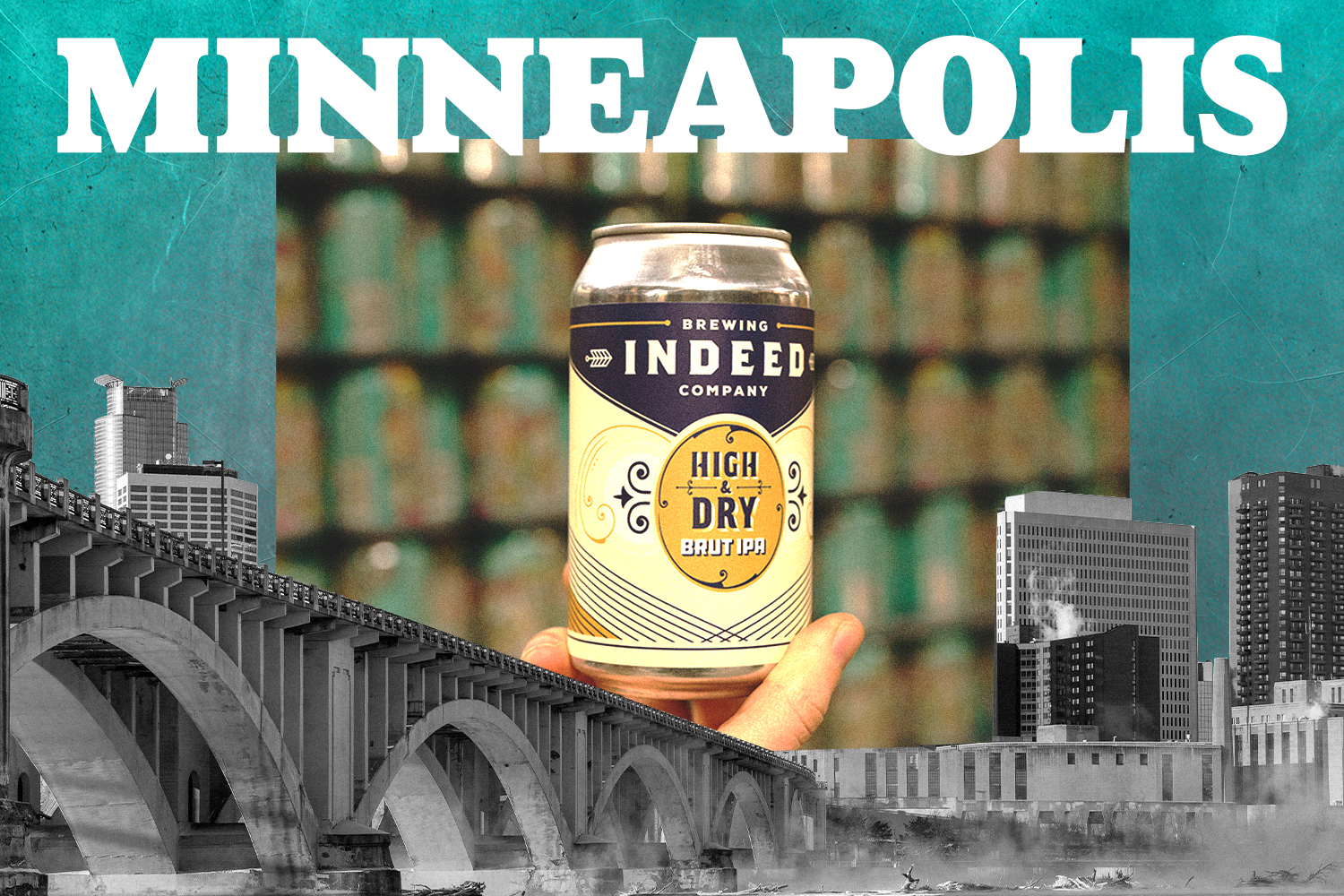
With over 30 breweries, or 1.5 per 100,000 residents, Minneapolis is quietly holding it down as another Midwest player in the “best beer city” race. What’s especially noteworthy is the city’s volume of breweries nationally known and acclaimed for their excellent beer. There’s Modist Brewing Co. serving up everything from traditional grisette to fruited hazy IPAs, Surly Brewing keeping IPAs assertively flavor-forward since 2006 and Indeed Brewing getting inventive with pistachio cream ale and sea salt and lemon lager. Fair State Brewing Co-op opened in 2014 as only the third cooperatively owned brewery in the country and became Minnesota’s first unionized brewery in 2021 — they also make a mean lager, sparkling hop water and THC beverage. La Doña Cervecería celebrates Latino heritage with molé stout and Mexican lager with serrano peppers as well as barley wines, IPAs and Oktoberfets.
There’s plenty more where that came from, and the main organizing body of the American craft beer industry, the Brewers Association, has endorsed this by holding its annual Craft Brewers Conference in Minneapolis in 2022. The city can also boast a number of stellar beer bars and beer festivals, as well as proximity to even more buzzed-about breweries in nearby St. Paul (BlackStack Brewing), Duluth (Bent Paddle Brewing) and Rochester (Forager Brewery).
Pittsburgh
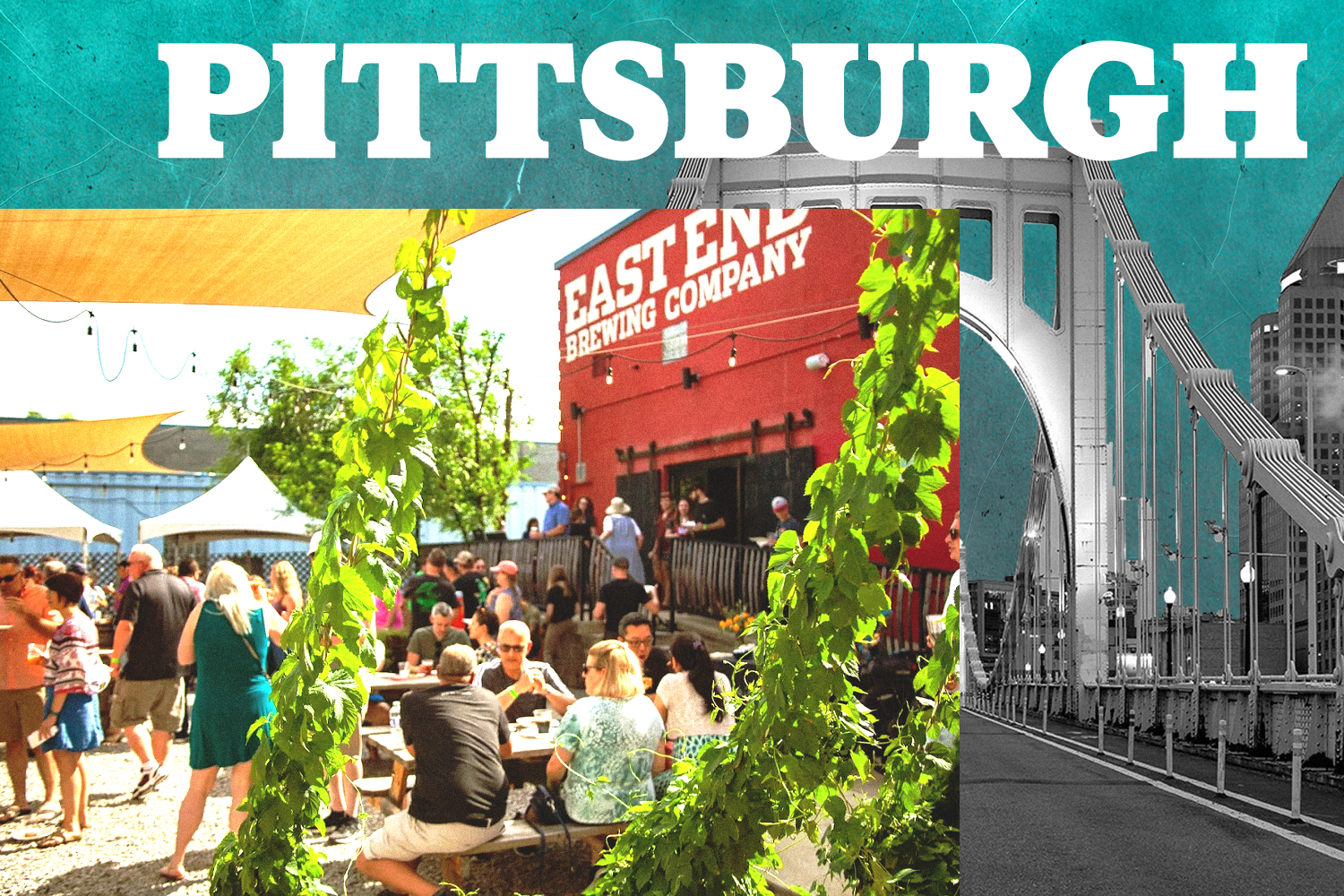
Pittsburgh has over 40 breweries, or 2.3 breweries per 100,000 residents, placing it comfortably high above the national average of 1.3. The facts and figures are enough to make Steel City a contender on a “best beer cities” list. But sheer quantity does not an ultimate beer destination make, and there’s so much more to Pittsburgh’s craft beer story.
“What makes the Pittsburgh craft beer scene so special is its incredible diversity — not just in the styles of beer, but in the people, places and stories behind them,” says Mel Larrick, executive director of the Pittsburgh Brewers Guild. “[There’s] truly something for everyone. Our Pittsburgh Brewery Guides, which have recently gone live as an interactive app, helps folks explore it all and earn prizes and perks along the way, and our community-driven Code of Conduct reflects our commitment to keeping the scene inclusive, progressive and safe for all who participate.”
Visit one of the breweries that kickstarted the city’s scene back in 2004, East End Brewing Company. Sip complex hop bombs or classic German lagers and English ales at Dancing Gnome. Lush hazies and smoothie sours await at Hitchhiker Brewing Co., lagers from regions around the globe flow at Old Thunder Brewing Company, and a style spectrum spans from light lagers to coffee milk stouts at 11th Hour Brewing Co. Enjoy flavor-forward brews, arcade games and pickleball at Velum Fermentation, or a full restaurant menu and options from unfiltered pilsner to non-alcoholic sparkling hop water at Cinderlands. At Trace Brewing, there’s unfiltered kellerbier, lime gose and rye whiskey barrel-aged stout in addition to artisanal coffee, cocktails. With their vocational program and inclusion-promoting calendar of drag performances, disco parties and wellness raves, it’s no wonder we voted them “best brewery” in our 2023 Spill Awards.
Finally, Pittsburgh is host to some of the beer scene’s most important fests. Barrel & Flow, an annual festival celebrating Black-owned or operated breweries as well as Black brewers, artists, musicians, food purveyors and more, should be on every beer lover’s bucket list, while the Babesburgh Bash makes an impact for women in beer.
Richmond
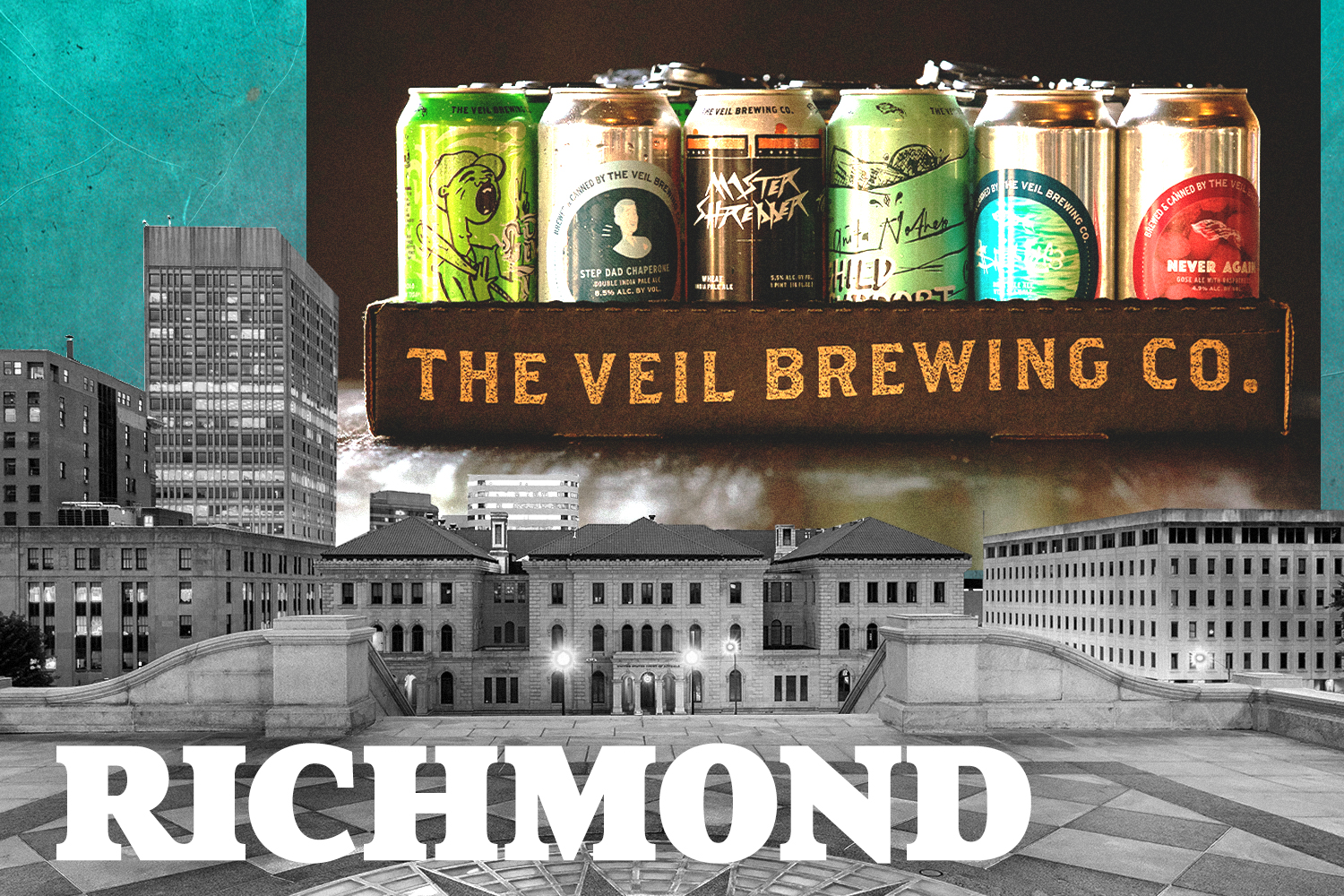
Richmond is home to over 30 breweries, about 2.22 per 100,000 residents. What’s especially noteworthy is the unique niches each of these brewery carves, even in today’s industry where craft beer is no longer in and of itself novel. The Veil Brewing Co. serves up some of the best-loved hazy IPAs, mixed-fermentation ales and barrel-aged imperial stouts in the country, not to mention some excellent heavy metal-leaning vibes. Triple Crossing keeps it classic with foundational brews like Falcon Smash IPA and Pathway Pilsner. Väsen Brewing Company zeroes in on lagers in different international styles from Czech to Mexican, Strangeways Brewing deftly weaves traditional Belgian and German styles in with bold IPAs and crispy lagers, and at Bingo Beer Co., any kind of beer enthusiast will be excited to find schwarzbiers, brown ales, rauchbiers, goses and West Coast IPAs. The Answer Brewpub looms large, too, as a destination beer lovers across the country are willing to travel for. They serve up their own stellar brews as well as carefully curated crafts and imports from other breweries, and are almost just as beloved for their smash burgers and Vietnamese sandwiches, as well as their sister restaurant Mekong next door.
“I don’t think it’s a coincidence that an artsy town known for punk bands and a fantastic restaurant scene has become one of the best craft beer cities in America,” says Demmon, who attended college in Richmond and still visits family there today. “Everyone in Richmond is doing something creative, so opening a brewery seems like a natural extension of the unique energy Richmond runs on. Seeing what the city has become, and is still becoming, is astonishing, and beer has definitely played a huge role in Richmond’s evolution. Now, I can’t leave town without taking a beer lap through Scott’s Addition, a neighborhood that was a total ghost town a little over a decade ago.”
Meet your guide

More Like This


Every Thursday, our resident experts see to it that you’re up to date on the latest from the world of drinks. Trend reports, bottle reviews, cocktail recipes and more. Sign up for THE SPILL now.